How to Care for Your Beard: Basics for Every Man
A well-groomed beard isn't just about appearance - it's the result of daily care. We explain beard washing, oiling, and maintaining shape between barber visits.
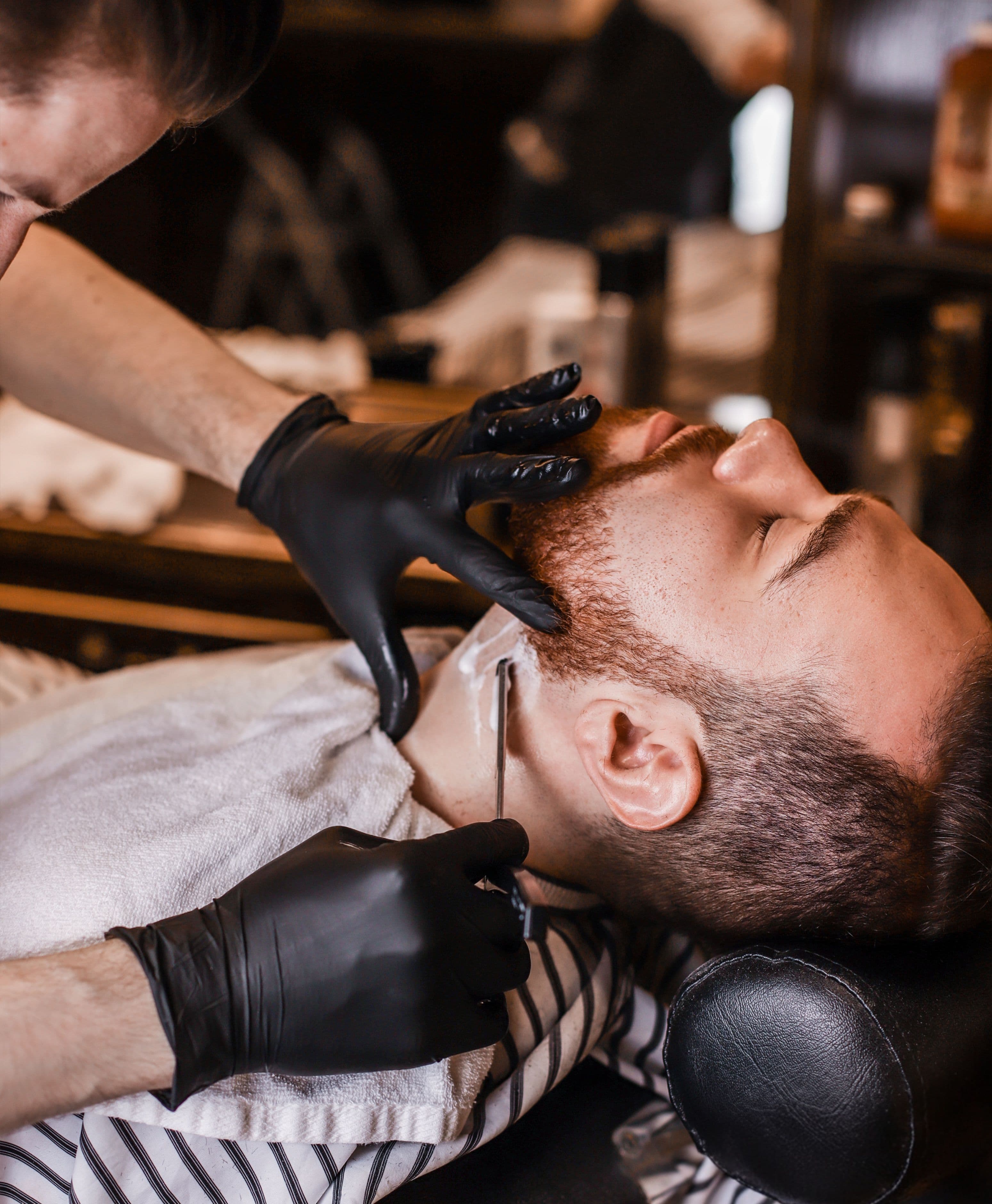
Your beard grows every day, but its quality depends on how you care for it between barber visits. Many think a monthly shape correction is enough, but daily maintenance is just as important as a proper cut. The skin beneath needs cleanliness, the hair needs nourishment, and the shape needs regular attention. These three elements together create what we call a well-kept beard.
Washing: more often than you think
Beard hair collects everything - food particles, sweat, dust, city air. If you only wash once a week, the skin beneath develops inflammation, itching and flaking. The optimal rhythm is 3-4 times a week with a dedicated beard shampoo. Regular hair shampoo is too harsh - it dries out both hair and skin, making the beard stiff and brittle.
The technique is straightforward: wet your beard with warm water, apply a small amount of shampoo and massage it into the skin with your fingertips. After 30-60 seconds, rinse thoroughly. Hot water dries out the skin, cold water doesn't remove oils and dirt properly. Warm water strikes a balance between cleanliness and moisture retention. After washing, dry your beard with a towel by gently pressing, not rubbing - rubbing damages the hair structure and causes split ends.
Oiling: daily nourishment
Beard oil isn't a luxury, it's a necessity. It moisturises the skin, softens the hair and prevents itching that often appears in the first weeks of growth or in winter when indoor air is dry. The best time to apply oil is right after a shower, when the beard is still slightly damp - the oil absorbs better and distributes more evenly.
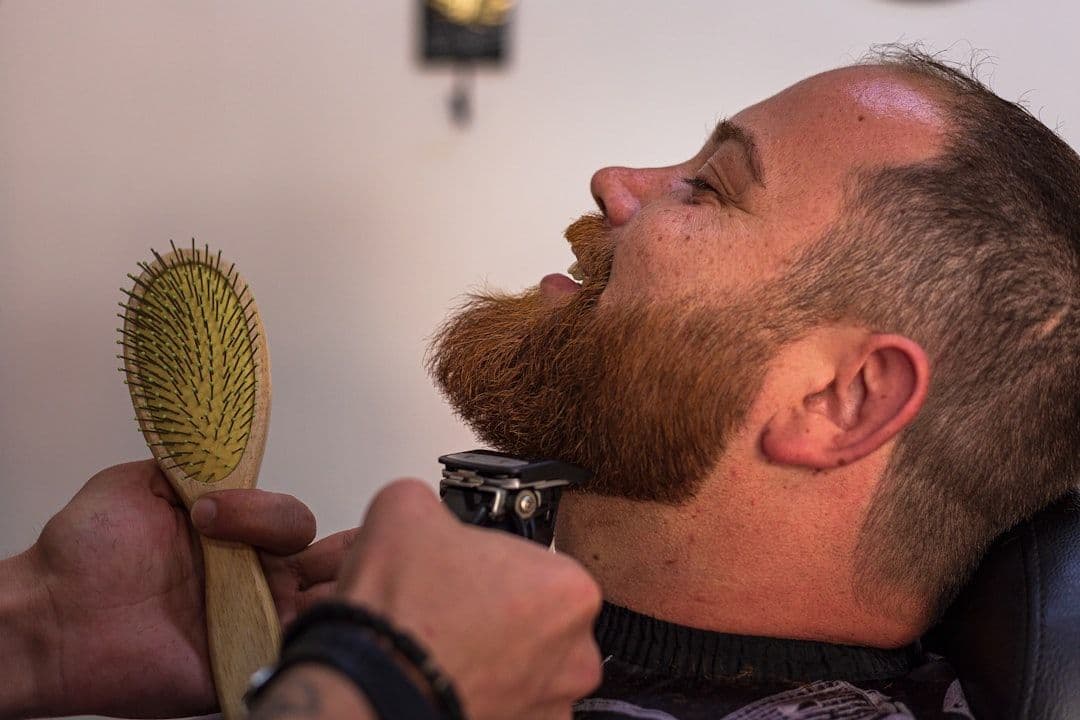
The amount depends on beard length. A short beard needs 3-4 drops, medium 5-6, long 8-10. Warm the oil in your palms, distribute it between your fingers and massage it first into the skin, then work it through the hair from roots to tips. If your beard is long, comb it with a wooden or horn comb - this helps distribute the oil evenly and prevents tangles. Plastic combs create static electricity, making hair unruly.
When choosing an oil, look at the base composition. Jojoba, argan and grapeseed oils are light and absorb quickly. Coconut or castor oil are heavier - they suit thick, coarse beards. If the oil leaves a greasy feeling, you're likely using too much or have chosen too heavy a formula for your beard type.
Maintaining shape between visits
A barber's cut allows your beard to grow properly, but you need to maintain the shape yourself. The main task is controlling the neckline and cheek lines. The neck line is the boundary below which the beard doesn't end - it's a clearly defined line roughly two fingers' width above the Adam's apple. Everything growing below that can be shaved with a trimmer or razor every 3-5 days.
The cheek line is the second contour that needs attention. If your beard grows high on the cheeks, you can trim the upper edge, but carefully - one mistake and the shape is ruined. If you're not sure where to draw the line, leave it to your barber. Between visits, it's enough to remove only the obviously excess growth - individual hairs growing outside the general mass.
The moustache needs separate attention. It grows faster than the beard and often starts getting in the way - falling over the lips, getting into food. A pair of small scissors with rounded tips lets you trim the length at home, but the shape - cutting angle, symmetry, transitions to the beard - is better left to your barber. At home, do only functional trimming, not styling.
Common mistakes and how to avoid them
The first mistake is overwashing. You don't need to wash your beard with shampoo every day - it strips the natural oils and the beard becomes dry. Second - applying oil to a dirty beard. Oil doesn't clean, it only coats. If you apply it to dirty hair, the result is greasy, heavy hair with an unpleasant smell.
The third mistake is impatience with shape. Many want to reach their desired length faster, so they skip barber visits. But beards grow unevenly - faster in some places, slower in others. Without regular trimming, it loses shape, and it's harder to restore the proper silhouette later. The optimal interval is 3-4 weeks - long enough for the beard to grow, but not so long that it loses structure.
Fourth - tool quality. A cheap trimmer with a dull blade pulls hair instead of cutting it. A plastic comb breaks hair and creates static. Scissors without sharpening cause split ends. Good tools last for years and give clean results - it's an investment, not an expense.
- Beard
- beardtrim
- grooming