Fade haircuts: types and when each suits best
Fade is one of the most popular haircut techniques for men. It means a gradual transition from shorter to longer hair, creating a smooth effect. In this article, we'll explain the main fade types and help you choose the most suitable one for your face shape and style.
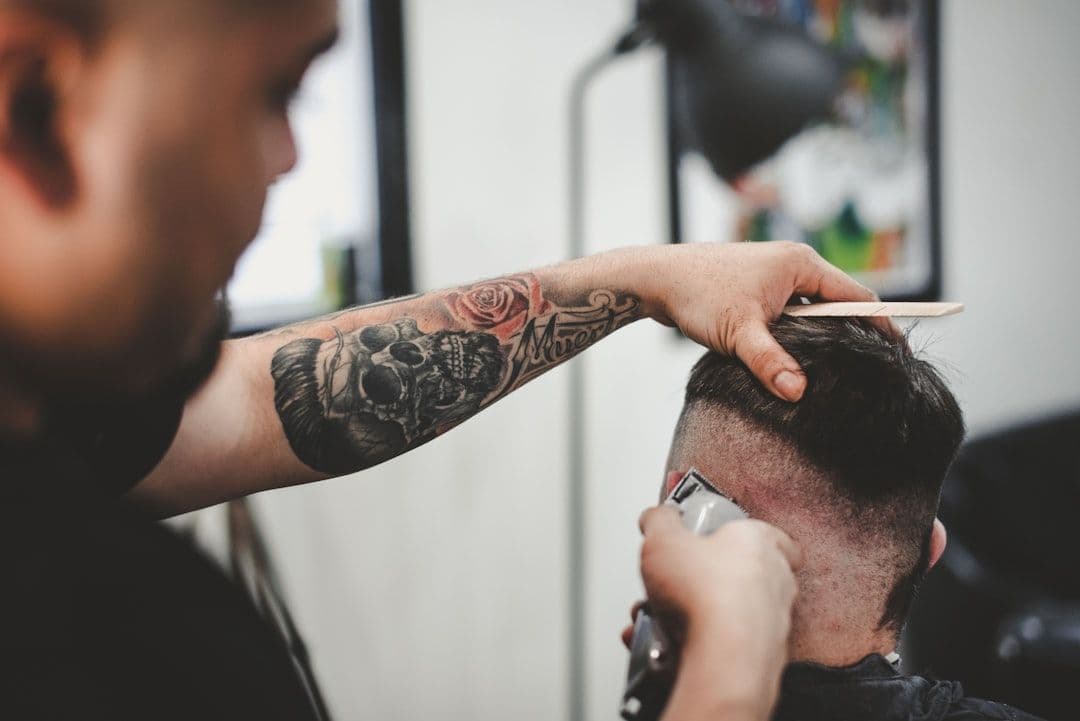
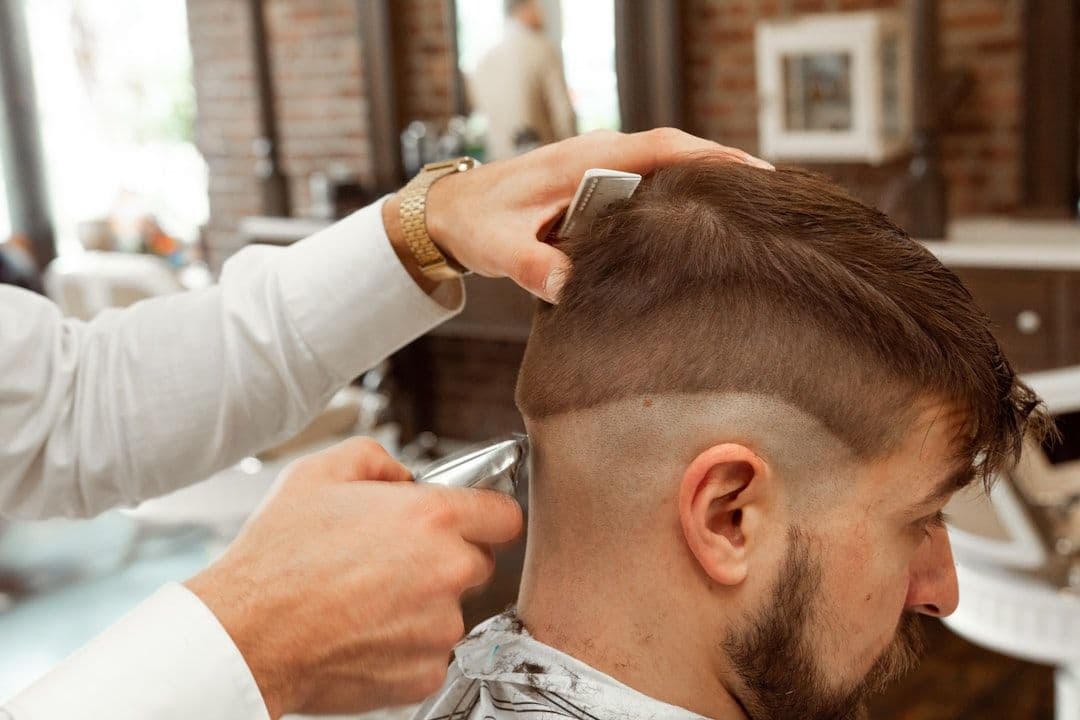
A fade haircut is a technique where hair gradually shortens from top to bottom or from back to front. The result is a smooth transition between longer hair on top and very short or shaved hair on the sides and back. This technique requires precision and experience, so the best result will always come from a professional barber. Fade suits both classic and contemporary styles, and a correctly chosen fade type can visually alter facial proportions.
Main fade types: low, mid and high
Fade haircuts differ by how high the transition from shorter to longer hair begins. Low fade starts low, approximately 1-2 cm above the top of the ear. This variant is the most conservative and works well in business environments or for those wanting to maintain a more classic look. The transition is gradual, and the haircut appears elegant without standing out too boldly.
Mid fade starts around the middle of the ear or slightly higher. This is the most versatile variant, suitable for most face shapes and hair textures. Mid fade is expressive enough but not too radical. It can be combined with various lengths on top, from short to medium-length hair. This type is a good compromise between classic and modern trends.
High fade starts high, often at the temple line or even higher. This variant creates a strong contrast between longer hair on top and very short hair on the sides. High fade is a bolder choice that works well for athletic or urban styles. It visually elongates the head and can be a good solution if you want to emphasize the top of the hairstyle or if you have a round face shape.
Additional variations: skin fade, drop fade and burst fade
Skin fade means that at the lowest point, hair is shaved completely to the skin, creating maximum contrast. This variant requires regular maintenance, as regrowth becomes visible after just a week. Skin fade works well for those with thick, dark hair who want an expressive, modern look. It can be combined with any fade height.
Drop fade differs in that the transition follows the head's contour and "drops" lower at the back, behind the ears. This type creates a more interesting shape and works well for those with longer hair on top or who want to emphasize the back of the hairstyle. Drop fade is often combined with pompadour or quiff hairstyles.
Burst fade is a partial fade that forms around the ear in a semicircle but doesn't continue to the nape. This type is often used with mohawk or faux hawk hairstyles. Burst fade creates an interesting visual effect and suits those wanting to experiment with shape without losing hair length at the back.
How to choose fade by face shape
If you have an elongated face shape, choose low or mid fade. This will help balance proportions without elongating the face further. Combine with slightly more volume on the sides or choose a hairstyle that doesn't add height on top.
For a round face shape, high fade works better as it visually elongates the head and balances round lines. Combine with longer hair on top styled vertically, such as pompadour or textured crop. Avoid too much volume on the sides, which would make the face appear even rounder.
For a square face with a pronounced jawline, any fade type works. You can experiment with different heights depending on your desired style. If you want to soften angular lines, choose mid fade with some texture on top. If you want to emphasize the structural face shape, high fade with clean lines will be a good variant.
Fade maintenance and frequency
A fade haircut requires regular maintenance, as the transition loses its smoothness when hair grows back. The optimal interval between visits is 2-3 weeks. If you have a skin fade or very short haircut, you may need to visit the barber more often, approximately once every 10-14 days.
At home, fade cannot be fully maintained without professional equipment and experience. Clippers with guards won't provide the same smoothness that comes from a barber working with multiple tools and proper technique. If you want to preserve the fade look, visit a barber regularly. Between visits, you can maintain tidiness on the neck and around the ears, but leave the transition itself in professional hands.
Lumberjack Barbershop barbers have experience with all fade types. We'll help you choose the most suitable variant for your face shape, hair texture and lifestyle. Fade technique requires precision and time, so book your appointment with sufficient time allowance so the barber has the opportunity to work with quality.
- Haircuts